
4 Questions to Ask a Wedding Venue Before You Book
Planning a wedding involves numerous important decisions, and one of the most significant choices is selecting the perfect venue. To ensure that your special day unfolds seamlessly, it’s essential to ask potential locations key questions before booking. This guide outlines critical inquiries that will help you assess whether a space is right for your needs. Thoroughly vetting a venue can save you from unexpected surprises and align your vision with what is realistically achievable. According to The Knot annual wedding survey, 82% of couples report that the venue is the vendor hired first, highlighting how early this decision impacts the entire planning process.
1. Availability and Booking Conditions
1.1 Open Dates and Peak Seasons
When planning a wedding, availability is a top priority. Understanding open dates and peak seasons can influence not only your wedding date but also the cost and availability of other vendors. Many locations book up to a year in advance, especially during popular months like June and September. Setting a flexible wedding date can significantly increase your chances of securing your preferred space. Importantly, according to The Knot annual wedding survey, 82% of couples report that the venue is the vendor hired first.
Peak seasons often come with a higher price tag. Keeping an eye on off-peak months could provide more availability while potentially offering discounts. Some locations may also extend reduced pricing for weekday events, which can be helpful for couples working within a set budget. Asking how quickly dates are filling up and whether alternate dates are available can help you plan strategically.
Another point to consider is how dates are officially secured. Many contracts require a deposit to reserve a date, and understanding the distinction between tentative holds and confirmed bookings is critical. Clarifying change policies due to unforeseen circumstances helps prevent future disappointment. A detailed discussion of these factors supports confident decision-making.
1.2 Deposit and Payment Terms
Understanding deposit requirements and payment terms is essential before signing any agreement. Deposits often range between 20% and 50% of the total cost, and couples should ask whether these funds are refundable under any circumstances. Clear timelines for remaining balances allow you to manage your cash flow more effectively throughout the planning process.
Some locations allow installment payments, while others require full payment weeks before the event. Asking about late fees, accepted payment methods, and incentives for early payment can help you avoid unnecessary stress. All financial terms should be documented in writing to protect both parties.
It is also wise to ask about additional charges not included in the base price. Service fees, taxes, and damage deposits can add up quickly if not anticipated. Transparent pricing helps you compare options realistically and prevents budget overruns later.
1.3 Cancellation and Refund Policies
A critical aspect to consider when booking a wedding venue is its cancellation and refund policy. Some contracts are strict, while others allow partial refunds based on notice periods. Understanding these terms protects you financially if plans need to change.
Ask whether event insurance is recommended or required. Reviewing real-world scenarios with the venue team can provide insight into how flexible they are during unexpected situations. Peace of mind during planning is often tied to knowing you have options.
Clear communication protocols for cancellations involving other vendors should also be discussed. Reviewing the contract carefully ensures responsibilities are clearly defined and reduces legal or financial risk.
1.4 Backup Plans for Inclement Weather
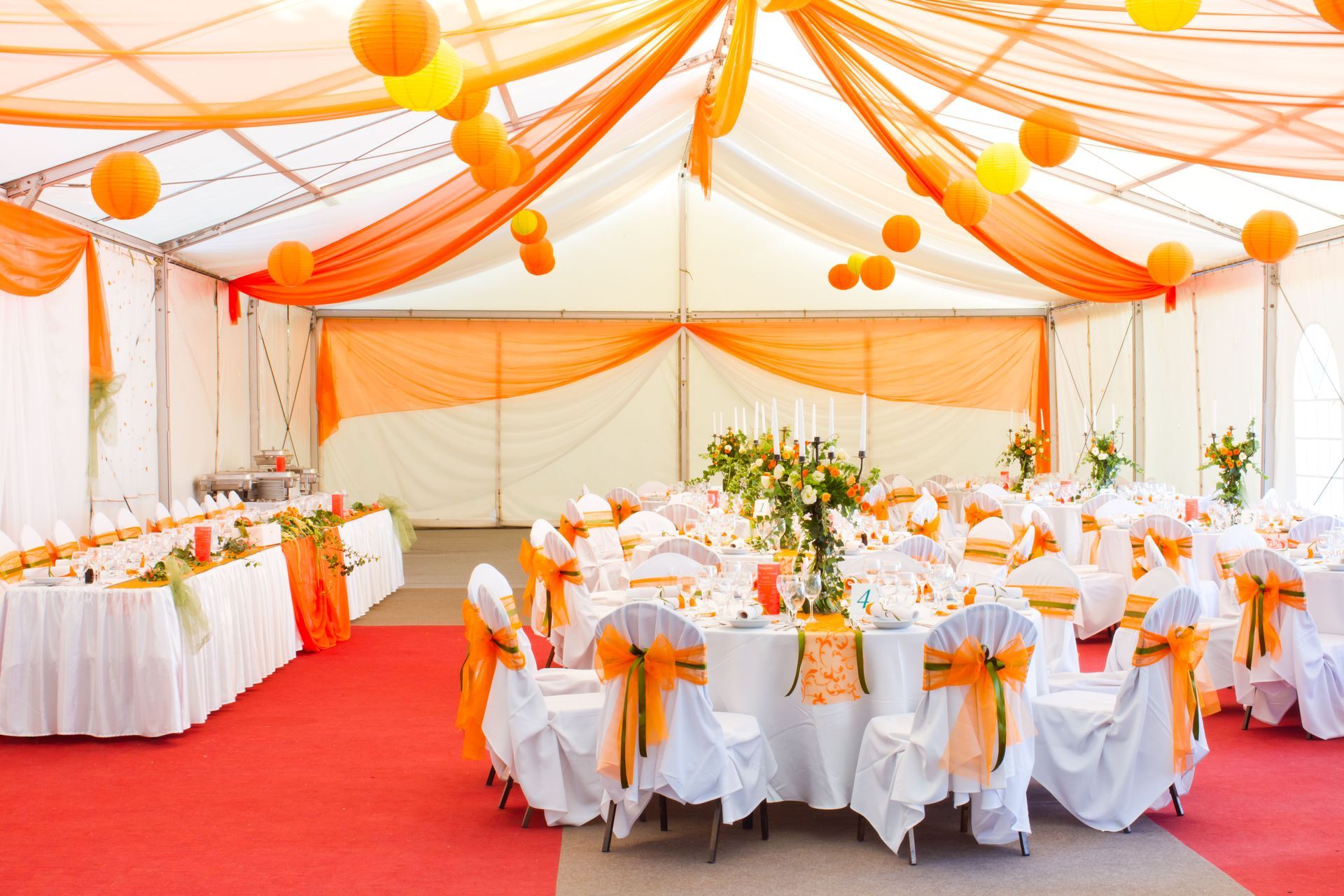
Weather contingencies are especially important for outdoor celebrations. Ask what indoor alternatives exist or whether tents and coverings must be rented separately. Knowing these plans ahead of time ensures your event can proceed smoothly regardless of conditions.
Confirm whether backup spaces can accommodate your full guest list comfortably and whether additional fees apply. Understanding logistics around last-minute transitions can greatly reduce stress on the day itself.
If no indoor option exists, ask for recommendations for trusted rental providers. Knowing setup timelines and responsibilities helps ensure a seamless transition if plans must change quickly.
1.5 Exclusivity Clauses
Some locations host multiple events at once, while others offer full exclusivity. Understanding this policy impacts privacy, parking, noise levels, and staff attention. Ask how simultaneous events are managed and whether exclusivity can be added.
An exclusive wedding venue often allows for a more intimate and controlled experience, though it may come at a higher cost. Non-exclusive options may be more budget-friendly but require careful coordination.
Clarify how shared spaces are handled, particularly for photography, guest movement, and ceremony timing. This ensures your celebration remains uninterrupted and aligned with your expectations.
2. Venue Capacity and Layout
2.1 Guest Capacity Limits
Guest capacity directly affects comfort and flow. Request floor plans and walkthroughs to visualize seating arrangements, service areas, and traffic patterns. Overcrowding can negatively impact guest experience.
Ask whether capacity is flexible under certain conditions, such as outdoor expansions. Understanding these nuances helps you plan confidently as RSVPs fluctuate.
Multiple rooms or zones can enhance the experience by separating dining, dancing, and ceremony spaces. A thoughtful layout supports both logistics and ambiance.
2.2 Ceremony and Reception Space Options
When evaluating a wedding venue, determine whether separate spaces exist for the ceremony and reception. Some layouts require room transformations, which can affect timing and guest flow.
Ask about decor restrictions, lighting options, and staging flexibility. Seeing previous setups can help you envision how your event will look and feel.
Understanding how the space supports entertainment, dining, and guest engagement helps align your vision with what is achievable.
2.3 Dance Floor and Entertainment Space
A dedicated dance floor supports energy and movement during the reception. Ask about acoustics, lighting, and equipment availability.
Clarify sound restrictions and whether in-house systems are available. These factors influence vendor selection and overall atmosphere.
Smooth transitions between dining and dancing contribute to a cohesive experience and keep guests engaged.
2.4 Accessibility for All Guests
Accessibility ensures every guest can participate fully. Ask about ramps, elevators, restrooms, and transportation access.
Outdoor terrain, parking proximity, and drop-off points should also be evaluated. Touring the space with accessibility in mind reveals potential challenges.
Inclusivity reflects thoughtful planning and enhances the experience for everyone attending.
2.5 Setup and Cleanup Arrangements
Understanding setup and cleanup responsibilities prevents last-minute confusion. Ask what staff handles and what falls to you or your vendors.
Confirm access times for decorating and teardown to align schedules. Restrictions can affect vendor coordination.
Clear cleanup policies allow you to enjoy the celebration without worrying about post-event logistics.
3. Packages and Inclusions
3.1 Standard Wedding Packages
Packages often bundle catering, rentals, and coordination services. Reviewing inclusions helps determine overall value.
Ask about customization options within packages to better reflect your style and priorities.
Clarifying service fees and exclusions avoids surprises and supports accurate budgeting.
3.2 Decor and Theme Customization
Decor flexibility allows couples to express their vision fully. Ask about restrictions, preferred vendors, and setup guidelines.
In-house design services can simplify planning, while outside vendors may offer greater flexibility.
Clear expectations ensure your design translates seamlessly into the space.
3.3 Catering Options and In-House Menus
Catering plays a major role in guest satisfaction. Ask whether the wedding venue offers in-house menus, tastings, and dietary accommodations.
Confirm whether outside caterers are allowed and what fees may apply. Flexibility here can greatly influence your overall experience.
Choosing a wedding venue that aligns with your culinary vision helps create a memorable celebration for you and your guests.
4. Final Considerations Before Booking
Before signing a contract, review all terms carefully and ask follow-up questions. Visiting the wedding venue multiple times can reveal details missed during initial tours.
Trust your instincts and ensure communication with the wedding venue staff feels responsive and transparent.
Selecting the right wedding venue ultimately sets the foundation for a smooth, joyful, and well-coordinated wedding day. Contact Gatherings Catering and Event Center today to get connected to our event hosting services.


Share On: