
Why an Event Venue Is an Important Part of Successful Event Planning
A successful event depends on more than a date, guest list, and general event idea. Every detail needs a setting that can support the purpose of the occasion, the comfort of the guests, and the flow of the schedule. From weddings and corporate dinners to showers, celebrations, fundraisers, and community gatherings, the space plays a major role in how smoothly everything comes together.
Choosing an event venue early in the planning process can make the rest of the decisions easier to organize. The right setting helps define the guest capacity, layout, catering needs, décor choices, parking arrangements, and overall guest experience. When the location supports the vision, hosts can plan with more confidence and reduce the last-minute stress that often comes with coordinating details.
Supporting a Clear Event Vision
One of the first steps in planning any gathering is deciding what kind of experience the event should create. Some occasions call for a formal atmosphere, while others need a warm, relaxed, or family-friendly setting. The event venue helps bring that vision into focus because the space naturally shapes the tone of the celebration.
A room’s size, layout, lighting, finishes, and amenities can all influence how guests feel when they arrive. A well-chosen setting can make décor feel intentional rather than forced. It can also help the host avoid spending time and money trying to transform a space that does not fit the occasion.
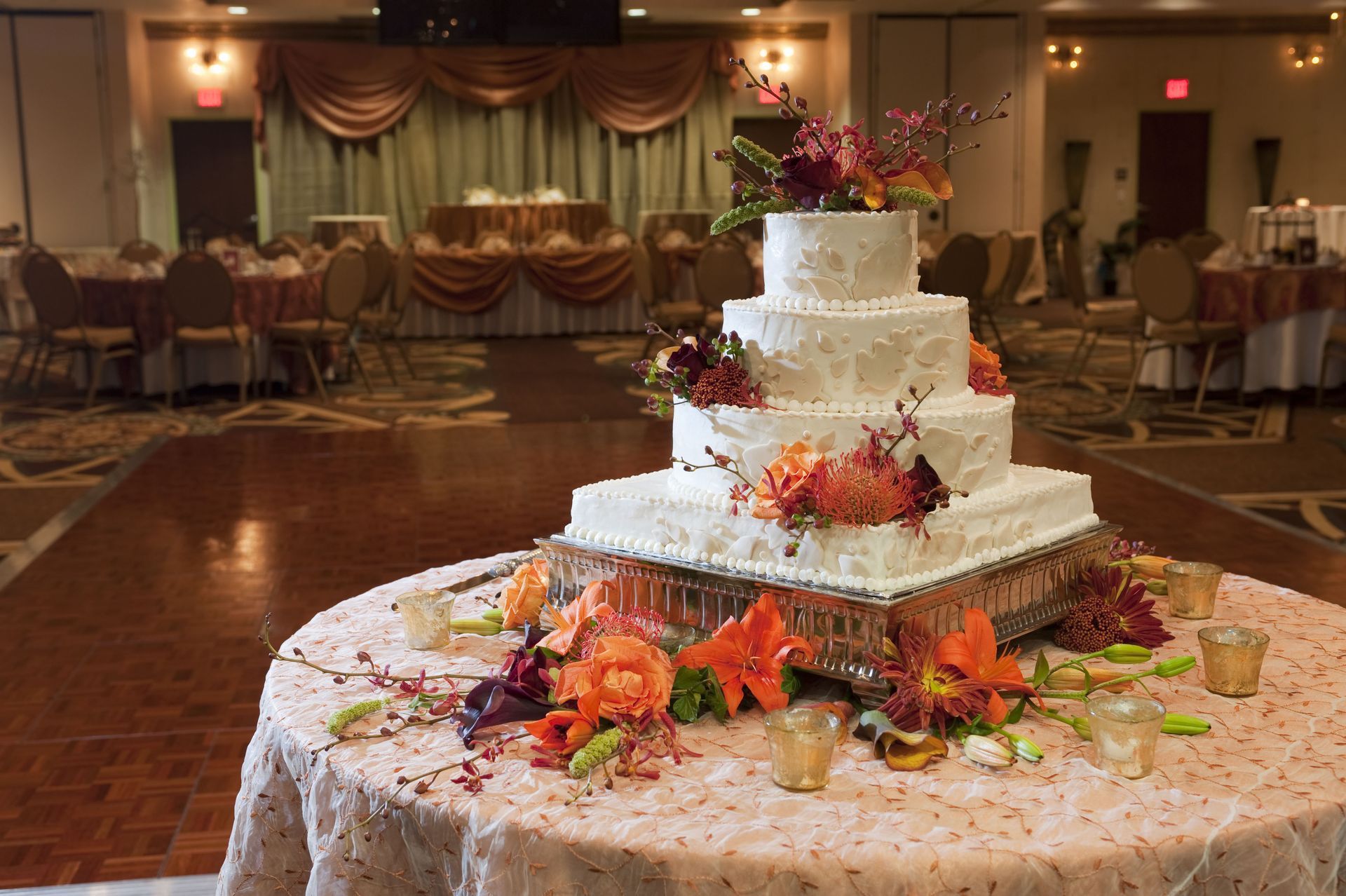
When the event venue already matches the general style of the gathering, planning can feel more efficient. Hosts can build around the existing features of the space, which may include seating areas, serving stations, dance floors, ceremony spaces, or private rooms. This creates a stronger foundation for the rest of the event details.
Managing Guest Comfort
Guest comfort is one of the most important parts of event planning. People need enough space to sit, move, eat, talk, and participate without feeling crowded or disconnected from the main activity. An event venue that fits the guest count can help create a more enjoyable experience for everyone attending.
Capacity is only one part of the equation. Hosts also need to think about accessibility, restrooms, parking, temperature control, noise levels, and how easy it is for guests to find their way around. A beautiful space may not work well if guests struggle with parking, long lines, awkward seating, or limited room to move.
The right event venue gives hosts a practical way to plan for these needs before the event begins. When guests feel comfortable, they are more likely to stay engaged and enjoy the occasion. That comfort can also reflect well on the host because it shows that the event was planned with the guest experience in mind.
Improving Event Flow
A successful gathering needs a natural rhythm. Guests may arrive, check in, enjoy appetizers, move into a meal, listen to speeches, take part in activities, and transition into dancing or conversation. Each part of the schedule works better when the event venue supports a smooth flow from one moment to the next.
Layout plays a key role in this process. A space with clear areas for dining, mingling, serving, and entertainment can prevent bottlenecks and confusion. It can also help staff, vendors, and hosts move through the event without disrupting guests.
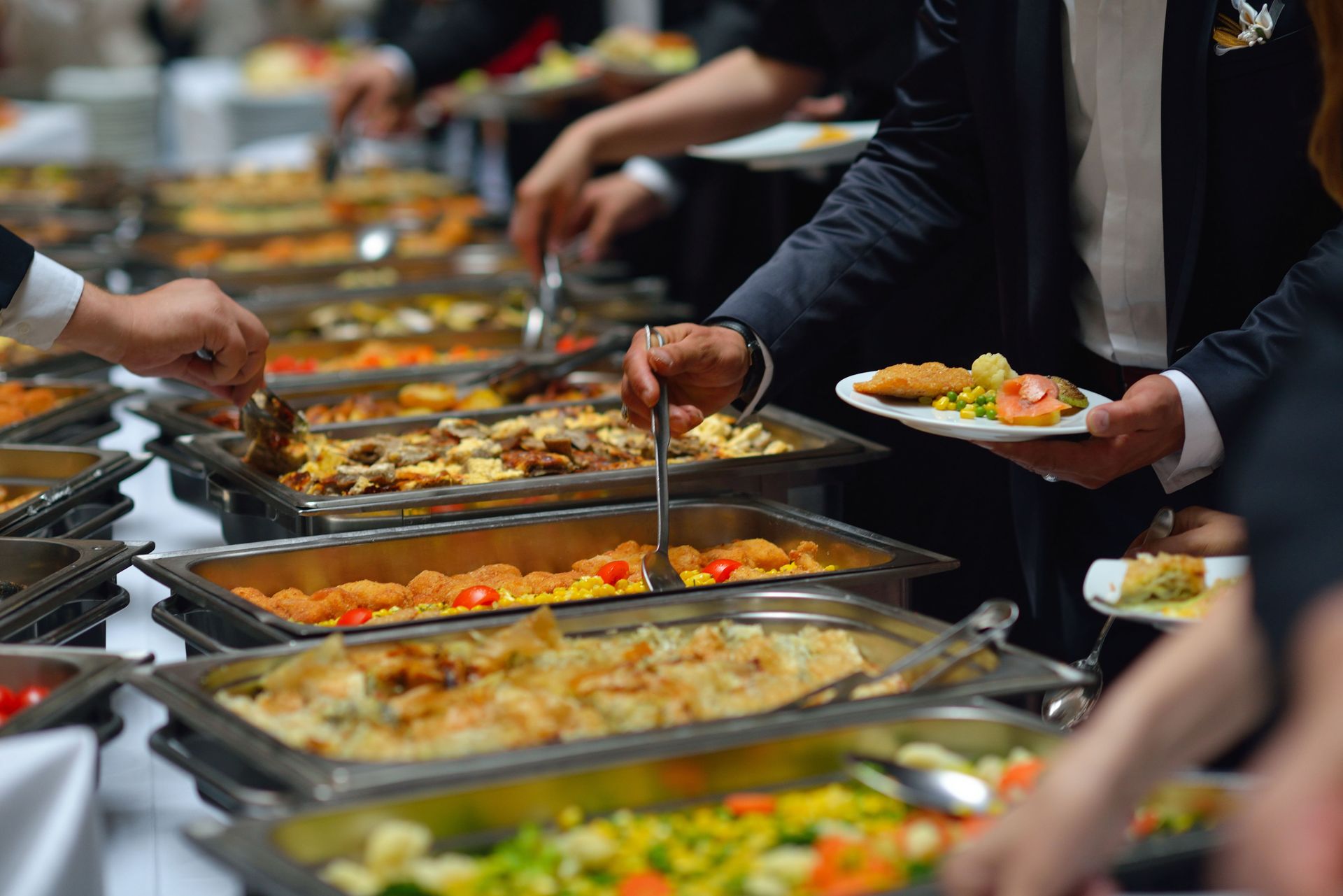
When planning an event, it is helpful to picture how people will move through the space from start to finish. The event venue should make those transitions feel natural. For example, a gathering with a buffet may need enough room for serving lines, while a wedding reception may need clear space for introductions, dinner, toasts, and dancing.
Coordinating Catering Needs
Food and beverage service can have a major effect on how guests remember an event. Meals, appetizers, desserts, and drinks often become central parts of the experience, especially during weddings, parties, business events, and milestone celebrations. Because of that, the event venue should be able to support the catering plan in a practical way.
According to Restaurant Dive, more than 50% of people who host events hire caterers. That statistic highlights how common professional food service is in event planning and why the venue’s setup matters. Caterers may need prep space, serving areas, access to utilities, loading zones, storage, and a layout that allows food to be served efficiently.
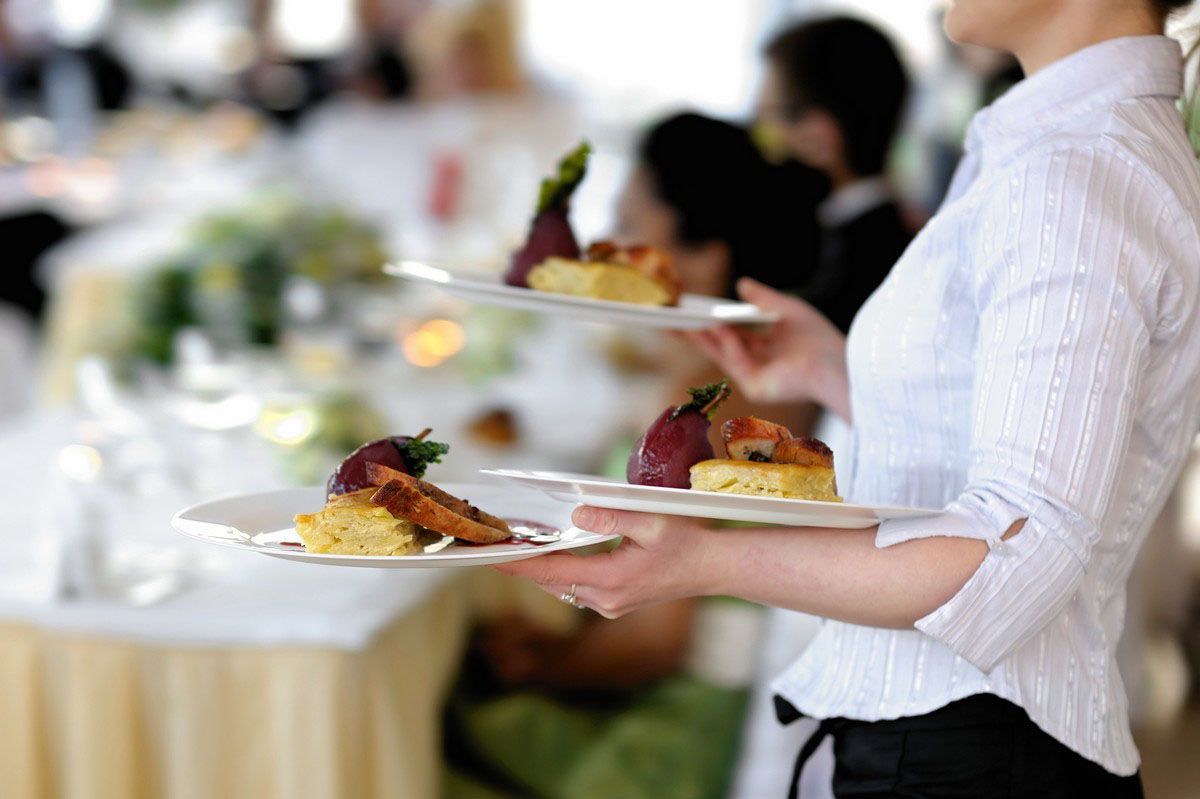
An event venue that understands catering needs can help reduce confusion between the host, catering team, and other vendors. Clear coordination can support better timing, better presentation, and a more organized dining experience. Whether the event includes a plated meal, buffet, cocktail-style service, or dessert table, the venue needs to help the food service run smoothly.
Simplifying Vendor Planning
Most events involve several people working together behind the scenes. Depending on the occasion, vendors may include caterers, photographers, florists, decorators, musicians, rental companies, officiants, speakers, or event coordinators. A strong event venue can make it easier for these vendors to do their jobs well.
Vendor planning often depends on access, timing, setup rules, electrical needs, delivery areas, and cleanup expectations. If those details are unclear, the host may spend extra time answering questions and solving problems. If they are addressed early, the event can feel more organized before guests arrive.
The venue team can often help hosts understand what is allowed, what is available, and what needs to be arranged separately. This guidance can prevent oversights, such as not having enough tables for displays, forgetting a space for gifts, or missing a designated area for entertainment. A prepared event venue gives everyone involved a clearer plan to follow.
Creating a Memorable Atmosphere
While logistics are important, the emotional side of an event also matters. Guests often remember how a gathering felt just as much as what happened during it. The atmosphere of an event venue can help shape those memories by creating a sense of warmth, celebration, professionalism, or connection.
The setting can influence photography, conversation, dining, entertainment, and the overall mood of the day. A welcoming room can make guests feel included from the moment they walk in. Thoughtful lighting, flexible seating, attractive finishes, and clean presentation can all help the occasion feel more polished.
A memorable event does not have to be overly elaborate. Many successful gatherings feel special because the setting supports the purpose of the day without distracting from it. When the event venue feels comfortable, functional, and appropriate for the occasion, it becomes part of the overall experience in a positive way.
Reducing Planning Stress
Event planning often involves many decisions, and those decisions can quickly become overwhelming without a clear starting point. Choosing an event venue gives hosts a central structure for the rest of the planning process. Once the space is selected, it becomes easier to make decisions about layout, guest count, food service, decorations, entertainment, and scheduling.
A supportive venue can also help hosts think through details they may not have considered on their own. This can include timing for setup, vendor arrival, cleanup, seating arrangements, and backup plans. Having knowledgeable people available can make the planning process feel more manageable.
The event venue is not just a backdrop. It is an important tool for keeping the occasion organized, comfortable, and aligned with the host’s goals. When the space supports the event from beginning to end, guests can enjoy the experience, and hosts can focus more on the purpose of the gathering. Call Gatherings Catering and Event Center today to schedule your catering service or event.

Share On: